Bait stations and rodent traps

Multi-catch live trap

A galvanised steel trap that catches one mouse after another without resetting and without poison — with entry holes, ventilated holding chambers and windows for checking without opening.

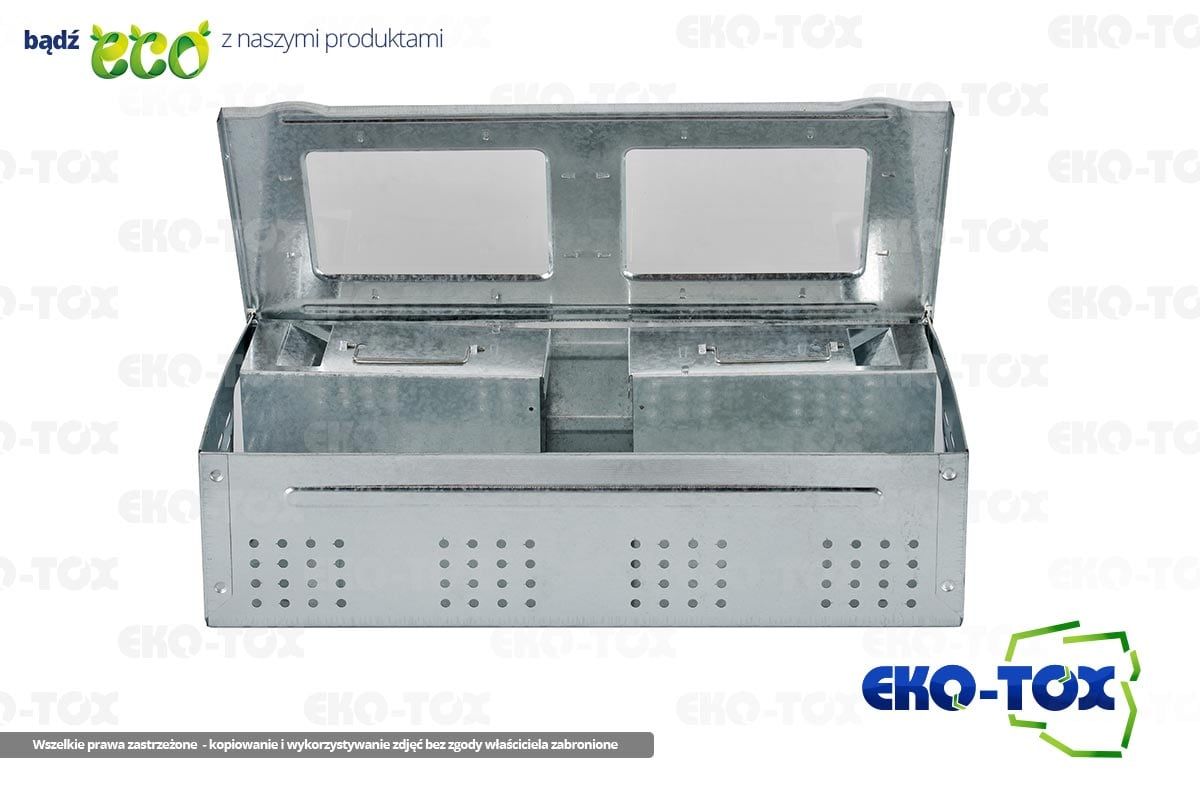
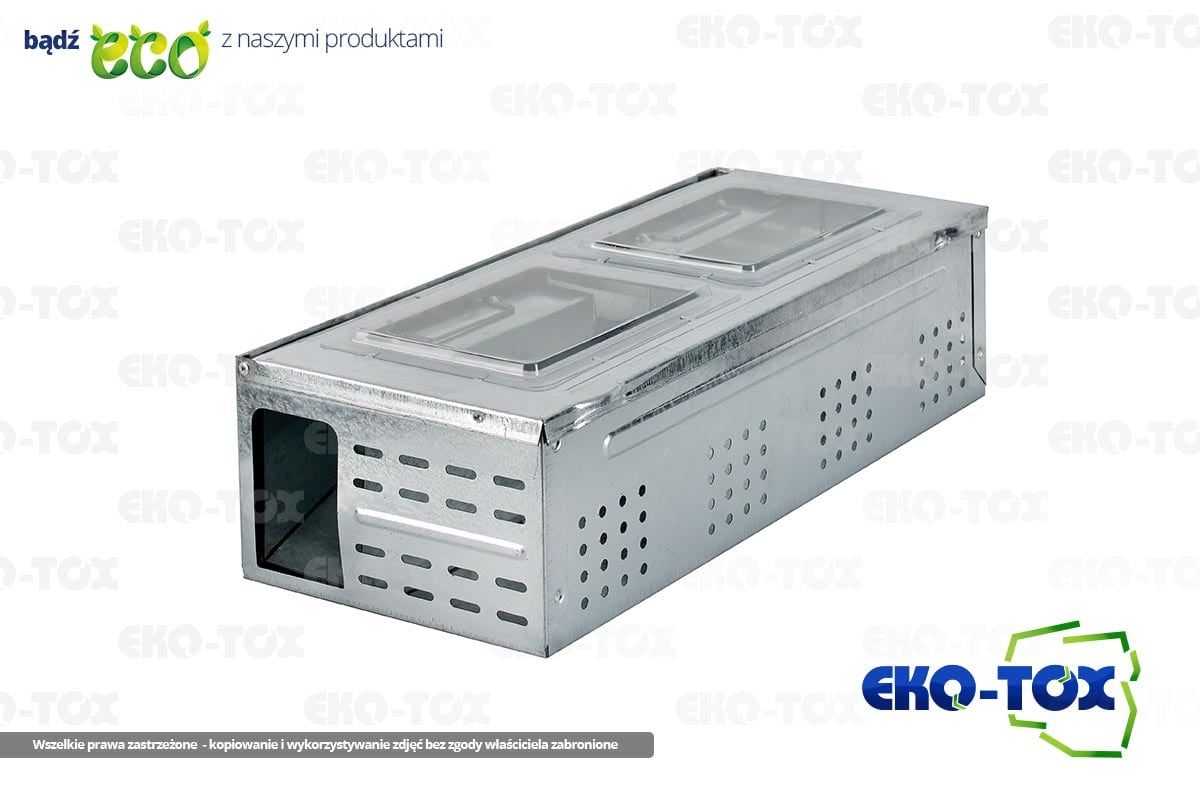
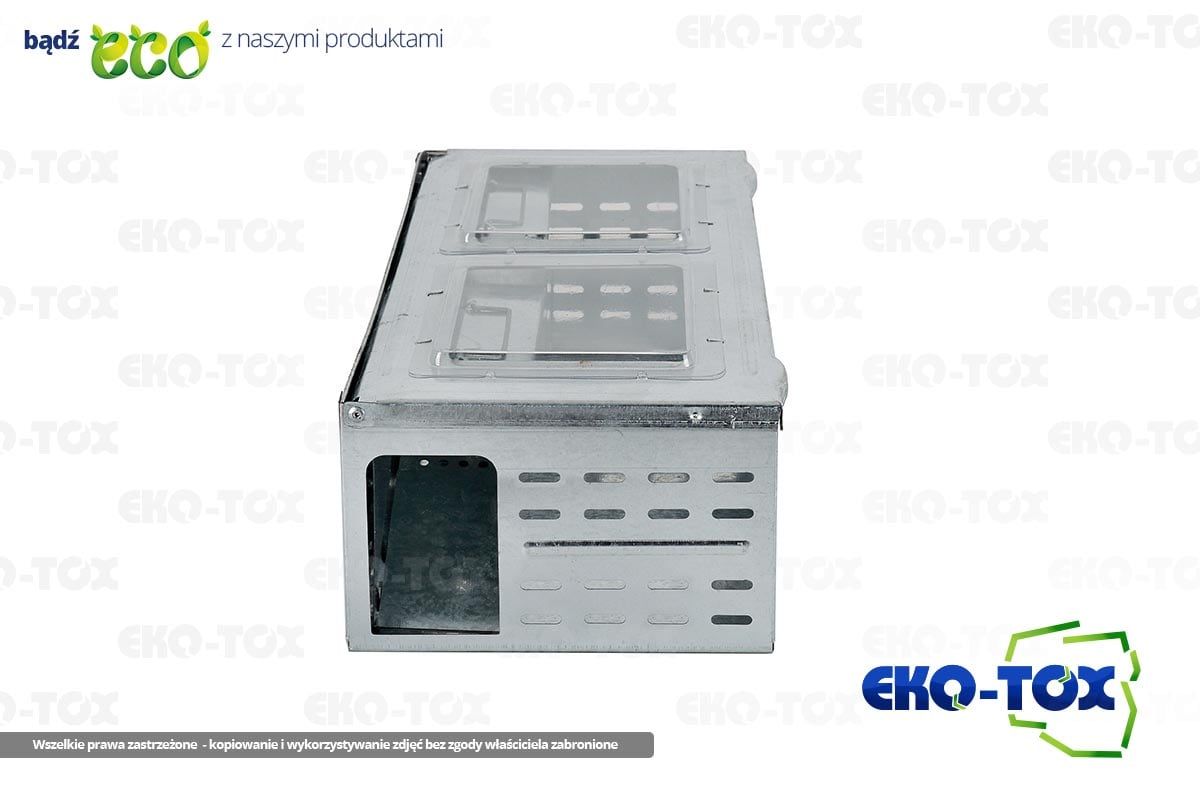
Galvanised steel multi-catch live trap showing the entry hole and ventilation perforation

The trap works without any product and without killing the animal. A mouse enters through the entry hole, reaches the holding chamber and does not come back — the mechanism stays armed, so further individuals are caught in the same trap without a technician’s visit.

This is the solution for zones where rodenticide is ruled out by definition. Food production lines, kitchens, schools and healthcare facilities — everywhere the auditor’s question “what are you replacing poison with” needs a concrete answer.

What this solution gives you

  • Multiple catch

    The trap does not need resetting after each capture, so it stays active between inspections.

  • Zero chemistry

    Purely mechanical operation. No product means no safety data sheets to track and no risk of secondary poisoning.

  • Ventilated chambers

    Perforation of the housing supplies air to the holding chambers, which is the condition for the trap being a live-catch one.

  • Inspection windows in the lid

    The technician checks both chambers without opening the housing — faster, and without disturbing the captured animal unnecessarily.
Product photos

  • Multi-catch live trap seen from above with two transparent inspection windows in the lid
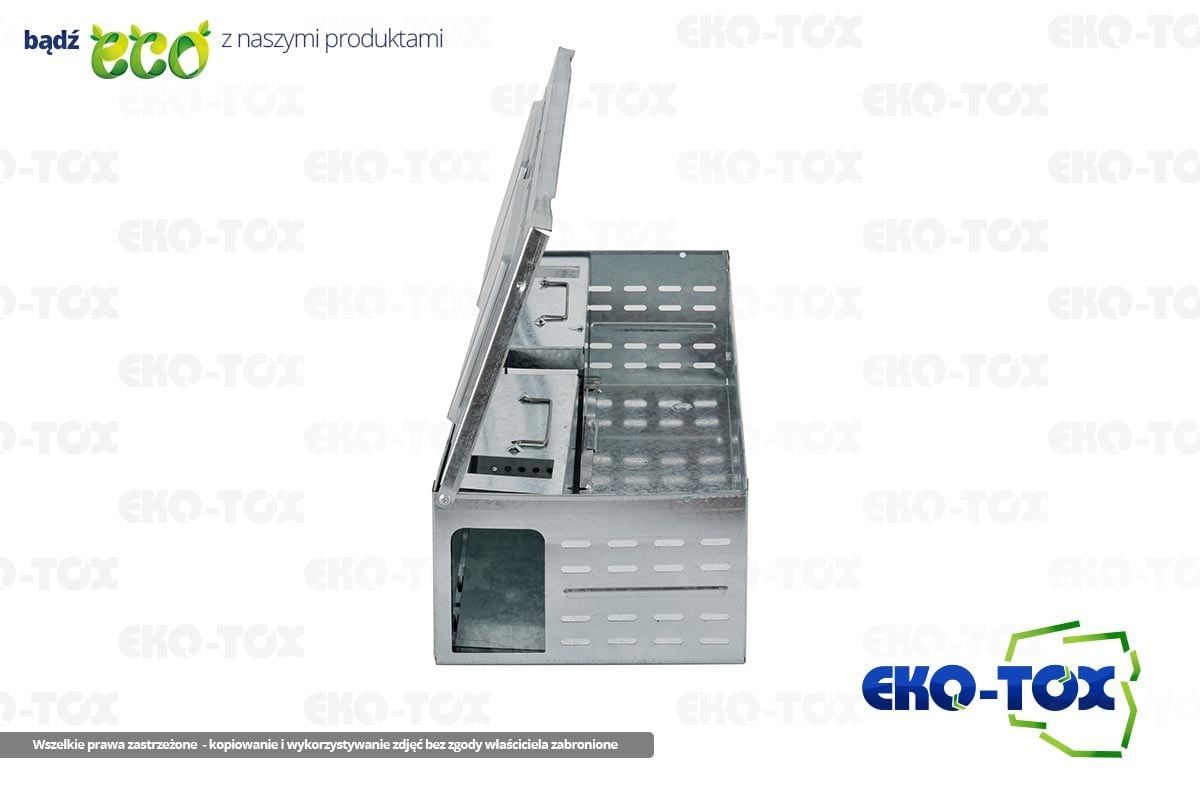
  • Open multi-catch live trap showing the holding chambers and the entry mechanisms
  • Inside of the multi-catch live trap with two holding chambers and lifting handles

Questions

Questions about this product

Can’t find your question here? Write to us — we answer the tricky ones too.

What happens to a captured mouse?

The animal enters a ventilated holding chamber and stays alive. What happens next is agreed with the site, in line with applicable regulations and the facility’s procedures.

How often does the trap need checking?

A live-catch trap needs more frequent inspections than a bait station, because of the welfare of the captured animals. We set the interval during the baseline audit.

Is it suitable for rats?

The construction is intended for mice. Where there is rat pressure we choose a different solution — decided during the site inspection.

How does it differ from the RODENT system?

The operating principle is close, but RODENT adds electronics: a sensor detects the capture and sends a notification over LoRaWAN immediately instead of waiting for an inspection. This trap is the offline solution.

Let’s check whether it fits your site

Describe the facility and the problem, and we will tell you whether this solution makes sense here — and what deployment involves.