Industries

Food industry and HACCP

Pest monitoring in food production and processing plants run so that it passes the audit — with a station layout plan, reports from every visit and documentation available on inspection day.

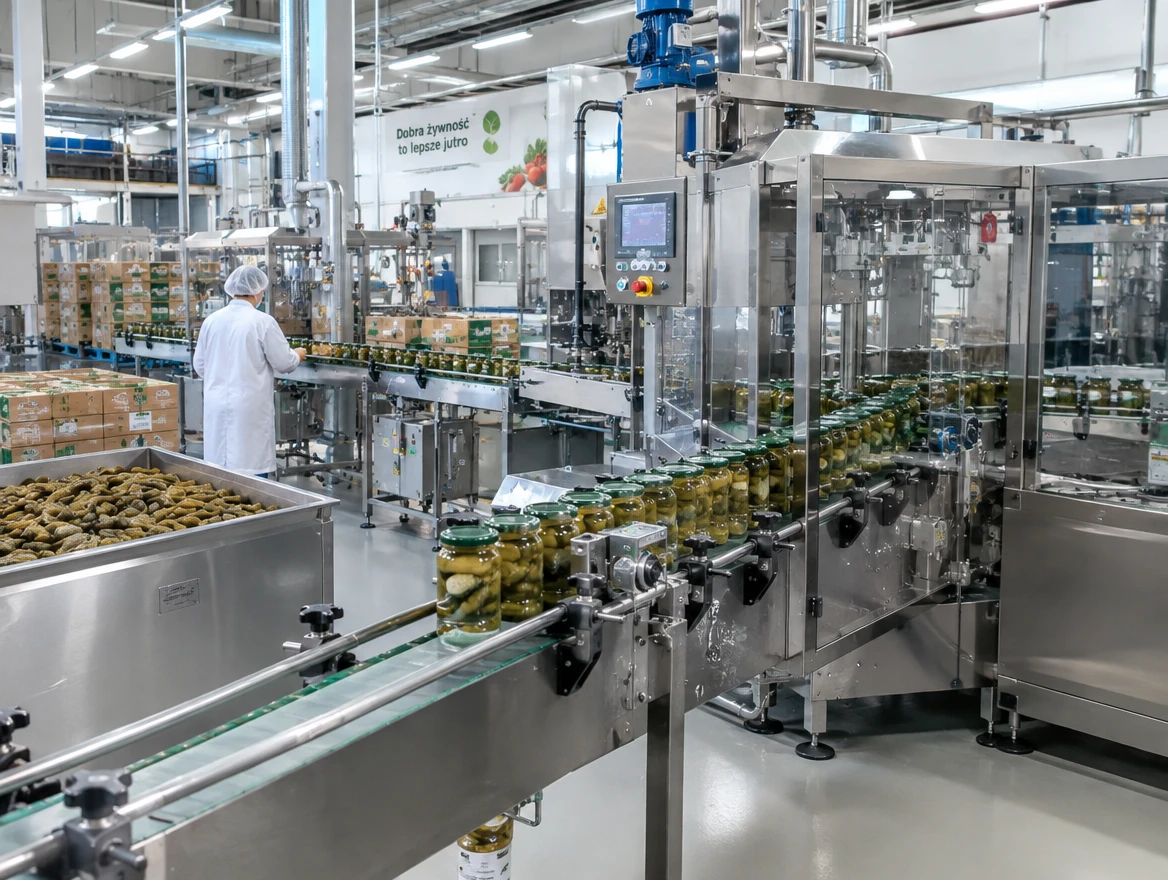
Food factory production line: jars of pickles on a conveyor and a worker in protective clothing

In a food plant a pest is not a matter of appearances — it is a non-conformity, and one that can hold up a shipment or lower your score in a quality system audit. That is why we work differently here than on a call-out job: monitoring is continuous, stations are numbered and mapped, and every visit ends with a report.

An auditor does not judge whether a pest appeared — they judge whether the plant detected it, described it and responded. Documentation is therefore part of the service, not an add-on. Site history, product safety data sheets and post-audit recommendations stay in the CERBER system and are available even when an inspection arrives unannounced.

Typical risks in this industry

  • Rodents in the raw material area

    Goods-in and silos are the first point of entry. Without perimeter monitoring the problem only shows up once it reaches production.

  • Crawling and flying insects

    Heat and humidity in production halls shorten insect development cycles — control has to stay ahead of the season rather than react to it.

  • Stored product pests

    Flour beetles and moths survive in raw material residues inside machinery gaps. Pheromone monitoring is needed, not just visual checks.

  • Gaps in documentation

    The most common audit finding is not the pest itself, but the missing record of the action taken and its effectiveness.

Questions

Questions from this industry

Can’t find your question here? Write to us — we answer the tricky ones too.

Does monitoring require stopping production?

No. We schedule inspections between shifts or during service windows, and we plan the scope so that we do not enter production areas while they are running. If a treatment does require a break, we say so at the quotation stage.

What documents does the plant receive after each visit?

An inspection report with a reading for every station, a description of any findings, recommendations for the site and — where a product was applied — its safety data sheet. Everything goes into CERBER and is available online.

Do you support us during the audit itself?

Yes. We provide the full documentation in the form the auditor expects and answer questions about the pest control section. The scope of that support is agreed in the contract.

How often do inspections take place?

The frequency follows from the baseline audit, your quality system requirements and the pest pressure around the plant.

Let’s talk about your site

Tell us the industry, the size and what is going on. We’ll arrange a baseline audit and tell you what really needs doing.