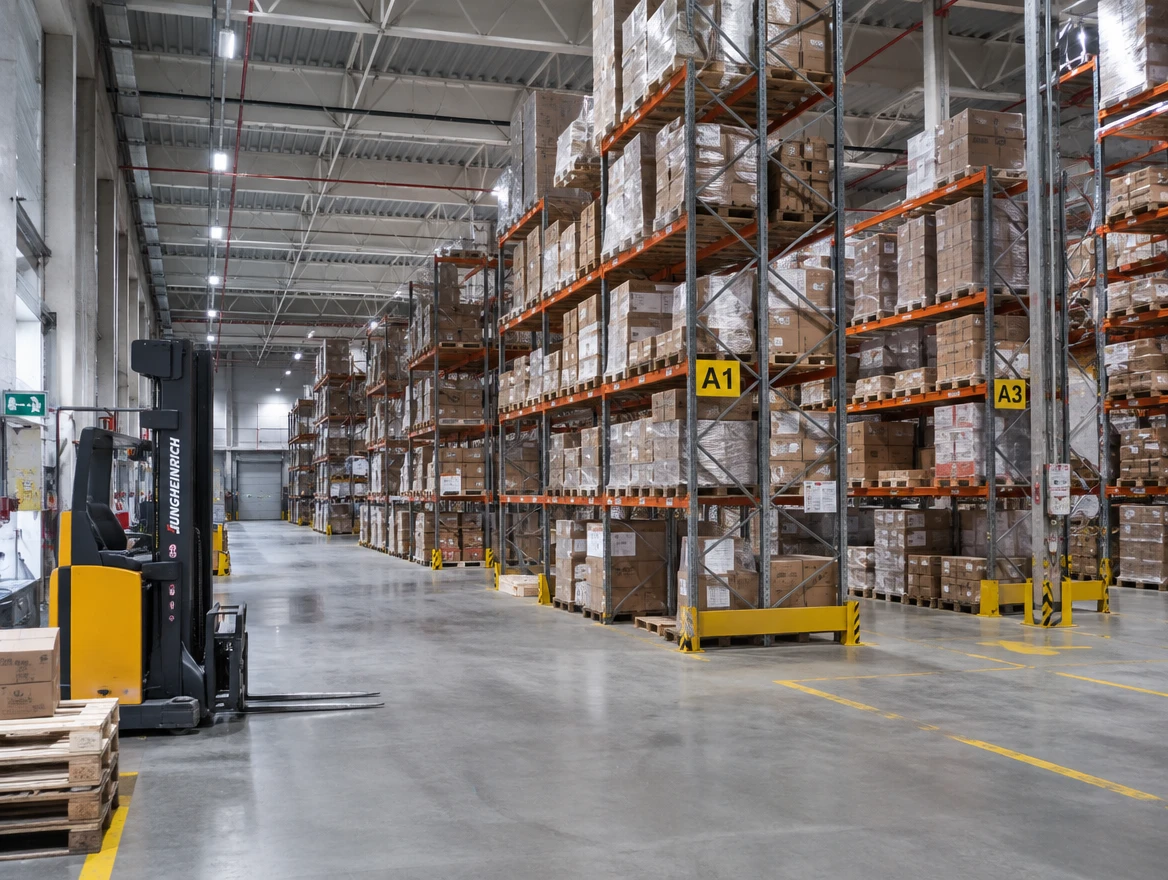
A warehouse is difficult not because it holds many pests, but because goods from the outside move through its gates and docks all day. A rodent arrives on a pallet, insects travel inside outer packaging. Control therefore starts at the boundary of the site, not at the racking.
In logistics the cost of a pest is counted in complaints and lost contracts, not in the damaged goods themselves. Retail customers and contract operators usually require documented pest management — and they check it before they sign. Inspection reports and the station layout plan stay in the CERBER system, so answering that kind of audit takes minutes rather than a week.
Typical risks in this industry
-
Loading docks and gates
The most common entry route. Worn seals and permanently open doors call for targeted monitoring and technical corrections on the site's side.
-
High-bay storage
In high-bay racking a pest stays invisible for a long time — inspections have to cover upper levels and the spaces beneath the racks.
-
Birds nesting under the roof
Birds in the hall structure mean droppings on goods, blocked gutters and parasites carried inside the building.
-
Food and feed goods
Warehouses holding food, feed and pet food require a stricter regime and pheromone monitoring for stored product pests.